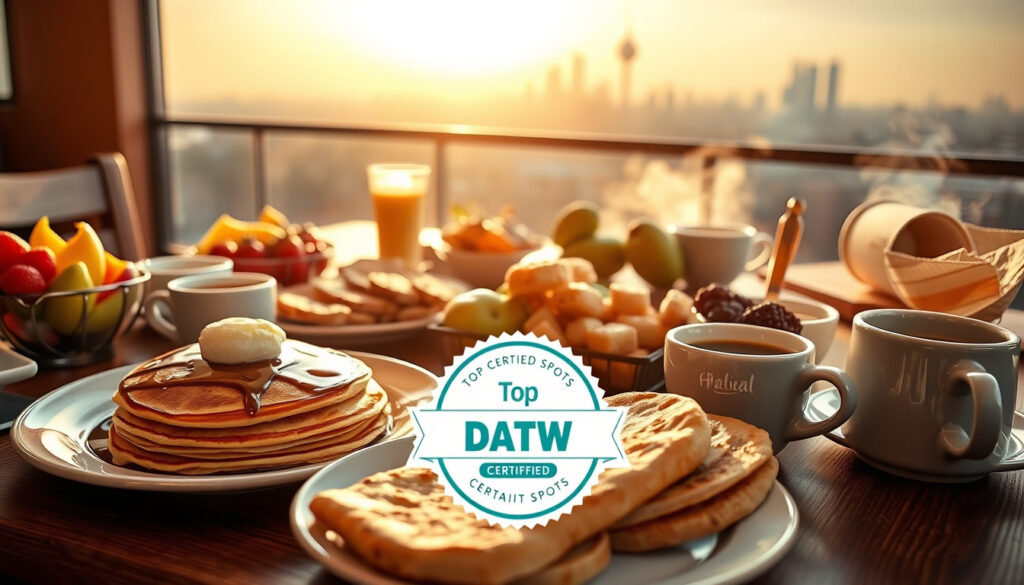
Halal Breakfast Near Me – DFW’s Top Certified Spots
Finding a quality halal breakfast near you has become significantly easier as the Dallas-Fort Worth area continues to expand its selection of certified halal dining options. From family-owned brunch spots to established Mediterranean buffets, the region now offers diverse morning meals that meet Islamic dietary requirements without sacrificing flavor or variety.
Whether you are searching for a quick bite before work or a leisurely weekend brunch with family, understanding where to find verified halal breakfast options—and how to confirm their certification—can make all the difference. This guide covers the top spots, popular dishes, and practical tools to help you locate the best halal breakfast near you.
The Dallas-Fort Worth halal dining scene has matured considerably, with more than 35 dedicated halal restaurants now operating in the metro area. This growth reflects broader national trends, as the global halal food market expands at approximately 7% annually.
How to Find Halal Breakfast Near Me
Locating a halal breakfast spot that meets your standards requires knowing which tools and verification methods work best. The process has become more streamlined thanks to dedicated apps, delivery platforms, and local dining guides that specifically highlight certified options.
Combine Google Maps searches with dedicated halal verification apps like HalalTrip for the most reliable results. This two-step approach helps you find nearby options and verify their certification status before visiting.
Quick Search Tools
Google Maps combined with halal apps like HalalTrip provides the most accurate results for finding certified breakfast spots open now.
Must-Try Dishes
Popular options include full English halal breakfasts, shakshuka, omelettes with halal meats, and Mediterranean-inspired dishes like hummus and fresh naan.
Top Filter Tips
Prioritize fully certified kitchens, check operating hours, and look for establishments with ratings above 4.5 stars for the best experience.
Average Cost
Most halal breakfast spots in the DFW area charge between $8 and $15 per person, depending on whether you order from the menu or opt for buffet-style dining.
Key Insights for Finding Halal Breakfast Spots
- Use HalalTrip to cross-check zabihah and IFANCA standards before visiting any establishment
- Delivery apps like Uber Eats list halal-filtered options specifically for the Garland and Richardson areas
- Look for restaurants with fully halal kitchens rather than those offering only partial halal options
- Local guides like D Magazine maintain updated lists of more than 35 halal spots in the DFW metro
- Family-owned chains often provide more consistent certification documentation than independent restaurants
- During Ramadan, many spots extend hours until 2–3 a.m. to accommodate community dining needs
| Aspect | Details |
|---|---|
| Global Halal Market | Growing approximately 7% annually, with North America representing a rapidly expanding segment |
| Common Dishes | Pancakes, omelettes, shakshuka, kebabs, and various egg-based dishes prepared without pork products |
| Recommended Apps | HalalTrip and Zabiha provide global halal verification with location-based filtering |
| Certification Bodies | IFANCA and HFSAA represent the most widely recognized halal certification organizations |
| DFW Halal Spots | More than 35 dedicated halal restaurants currently operate in the Dallas-Fort Worth metro area |
| Average Cost | $8–15 per person for breakfast items at most DFW halal establishments |
Popular Halal Breakfast Dishes and Menus
Halal breakfast menus in the DFW area reflect the region’s cultural diversity, blending American classics with Mediterranean and Middle Eastern flavors. Understanding what these restaurants typically offer can help you narrow your search and find options that match your preferences.
American-Inspired Halal Breakfast Items
Many halal breakfast spots have adapted traditional American dishes to meet dietary requirements. The key difference lies in using halal-certified proteins and avoiding pork-based ingredients entirely.
Popular American-style halal breakfast options include omelettes loaded with halal sausage or beef bacon, pancakes served with halal-certified syrups, and breakfast sandwiches featuring grilled halal meats. The Philly steak omelette at Aroma Breakfast & Lunch exemplifies this fusion approach, combining classic American flavors with fully halal preparation.
Mediterranean and Middle Eastern Morning Favorites
For those seeking more traditional halal breakfast fare, Mediterranean and Middle Eastern restaurants offer authentic options that have been part of the cuisine for generations. These dishes often feature bold spices, fresh vegetables, and premium halal-cut meats.
Shakshuka—eggs poached in spiced tomato sauce—ranks among the most popular Middle Eastern breakfast dishes available at halal establishments. Other favorites include lentil soup (often served as a starter), hummus with fresh pita bread, and various kebab plates that work well for breakfast or brunch.
Most halal breakfast spots offer vegetarian-friendly choices including hummus, lentil soup, fresh naan, and vegetable-based omelettes. These items meet halal requirements while providing meat-free alternatives.
- Omelettes and egg dishes — Prepared with halal-certified meats and cheese
- Shawarma wraps and sandwiches — Including chicken marosh and traditional beef-lamb options
- Kebab plates — Featuring grilled halal beef or lamb with vegetables and rice
- Mediterranean buffets — Offering multiple hot and cold dishes including hummus, falafel, and fresh salads
- Halal pizza and specialty items — Such as beef pepperoni pizza at locations like Zio Al’s Pizza
- Fresh baked goods — Including naan, pita bread, and various flatbreads
Top Chains and Local Spots for Halal Breakfast
The Dallas-Fort Worth area hosts a range of halal breakfast establishments, from newly opened family-owned cafes to established multi-location chains. Below is a curated selection of spots that have earned recognition for their quality, certification practices, and menu variety.
Family-Owned Halal Breakfast Spots
Aroma Breakfast & Lunch opened in 2025 at 1017 N Central Expy Suite 250 in Plano, quickly establishing itself as a fully halal family-owned brunch destination. The menu blends American favorites like the Philly steak omelette with Mediterranean offerings such as hummus and Syrian chicken marosh sandwiches. Both delivery and takeout options are available through their website.
Gilgamesh Restaurant operates three locations across Plano and Richardson, offering extensive breakfast menus alongside traditional Iraqi platters. Their menu features beef-lamb kebabs, lentil soup, and bakery items, making them particularly popular for home-cooked halal breakfast experiences.
Established Multi-Location Chains
Dimassi’s Mediterranean Buffet has served the DFW community since 1992, growing to five locations including spots near Plano. All meats served at Dimassi’s carry halal certification, and their breakfast buffets combine Greek and Middle Eastern influences with fresh, health-conscious options.
Noodle Wave operates six locations across the region and specializes in halal Thai cuisine, offering breakfast-friendly items alongside their main menu. Similarly, Pita Town and Wava Halal Grill maintain multiple Plano-area locations, focusing on shawarma, gyros, and other Middle Eastern staples.
Several halal breakfast spots extend their hours significantly during Ramadan. Cafe Laziz stays open until 2 a.m. during the holy month, while Zio Al’s Pizza offers takeout and delivery service until 2 a.m. to accommodate community iftar needs.
Delivery-Friendly Halal Breakfast Options
For those who prefer breakfast delivered, Uber Eats maintains a dedicated halal category for the Garland and Richardson areas. Top-rated options include Gilgamesh, Cafe Laziz, Shawarma House, Bawarchi Biryanis, and Abu Omar Halal, many of which offer breakfast items with trackable delivery ETAs.
Cafe Laziz at 9203 Skillman St in Dallas stands out for its combination of halal biryani, butter chicken, fresh naan, and even hamburgers, with online ordering and delivery available throughout the week.
Halal Certification and What to Look For
Understanding halal certification standards is essential when evaluating breakfast spots. Not all establishments that claim to offer halal food maintain the same level of verification, and the difference between certified and self-declared halal can be significant.
Recognized Certification Bodies
The Islamic Food and Nutrition Council of America (IFANCA) and the Halal Food Standards Alliance of America (HFSAA) represent two of the most widely recognized halal certification organizations. When a restaurant displays certification marks from these bodies, it indicates that their products have undergone rigorous review and meet established Islamic dietary standards.
In practice, many local guides and verification apps prioritize establishments with fully halal kitchens and zabihah (hand-slaughtered) meat sourcing. This emphasis on comprehensive halal practices often matters more to community members than formal certification marks, particularly at family-owned establishments.
Before ordering, confirm: whether the restaurant displays certification marks, if their menu specifies halal proteins, whether they use separate cooking equipment for halal items, and whether staff can verify meat sourcing upon request.
Self-Declared vs. Certified Halal
Some restaurants market themselves as halal without holding formal certification. This self-declared approach is more common among independent establishments and smaller chains. While many of these spots maintain genuine halal practices, verifying their claims requires additional due diligence.
Apps like HalalTrip allow users to cross-reference restaurants against known certification standards, while platforms like Zabiha maintain their own verification databases. When using these tools, look for establishments marked as fully halal rather than those offering only partial halal options.
Zabihah Certification Explained
Zabihah refers specifically to meat that has been slaughtered according to Islamic law, with the name of Allah pronounced at the time of slaughter. For many Muslims, zabihah certification represents the gold standard for halal meat, particularly when combined with hand-slaughtering practices rather than machine processing.
Restaurants that emphasize zabihah certification—such as several Iraqi and Middle Eastern establishments in the DFW area—typically source their meat from specialized suppliers who maintain the required documentation and handling procedures.
The Growth of Halal Breakfast Culture: A Timeline
The halal breakfast landscape has evolved significantly over the past decade and a half, driven by changing demographics, increasing demand, and the proliferation of verification technology. Understanding this progression helps contextualize why quality halal breakfast options are now more accessible than ever.
- Early 2010s — The halal food market began gaining mainstream attention in the United States, with independent halal restaurants appearing in major metropolitan areas
- 2015–2019 — Chain restaurants started expanding halal options, and delivery platforms began adding halal filtering features to their apps
- 2020 — The COVID-19 pandemic accelerated the delivery boom, with many halal restaurants pivoting to takeaway and contactless delivery models
- 2022–2023 — Halal verification apps like HalalTrip improved their database coverage, making it easier for consumers to find certified options
- 2024 — Major cities saw significant expansion in dedicated halal breakfast spots, with DFW adding multiple new locations
- 2025 — The market continues growing, with new family-owned openings like Aroma Breakfast & Lunch signaling continued investment in the sector
What We Know vs. What Remains Unclear
When searching for halal breakfast near you, it helps to distinguish between established facts and areas where uncertainty remains. This clarity enables better decision-making and sets realistic expectations.
Established Information
- DFW hosts more than 35 dedicated halal restaurants across the metro area
- Apps like HalalTrip and Zabiha provide reliable verification databases
- Major chains like Dimassi’s maintain consistent halal certification across all locations
- Delivery platforms offer halal-filtered search options in major urban areas
- The global halal food market grows approximately 7% annually
- Ramadan drives observable trends toward extended hours and special menus
Areas of Uncertainty
- Some independent restaurants claim halal without formal certification
- Menu ingredient lists may not always specify certification details
- Operating hours can vary, especially during Ramadan
- Cross-contamination practices differ between establishments
- Some pastry items at otherwise halal restaurants may lack verification
- Future expansion plans for smaller chains remain largely unannounced
Why Halal Breakfast Options Matter
The availability of quality halal breakfast options reflects broader shifts in how communities access culturally appropriate food. For Muslim diners, having certified halal breakfast spots nearby means greater freedom to dine out with family, meet friends for brunch, or simply enjoy a morning meal without worrying about dietary compliance.
The Dallas-Fort Worth area exemplifies this trend. The concentration of halal restaurants in Plano, Richardson, and Garland serves not only local residents but also visitors and professionals who travel through the region. This clustering effect has created what amounts to a halal dining hub, making the metro area one of the more accommodating regions for halal breakfast seekers.
Seasonal factors also play a role. During Ramadan, the community’s dining patterns shift toward pre-dawn meals (suhoor) and post-sunset breaking of the fast (iftar). Restaurants near mosques and community centers often extend their hours during this period, providing gathering spaces where families and friends can share meals together.
Credibility and Source Verification
When evaluating halal breakfast options, relying on verified sources and community feedback strengthens decision-making. Several organizations and platforms have established credibility through rigorous verification processes.
“The growth of dedicated halal dining reflects not just market demand but a broader recognition that dietary requirements deserve the same attention as any other consumer preference.”
— Industry analysis from D Magazine’s North Texas dining guides
Platforms like HalalTrip have built their reputation by maintaining comprehensive databases that cross-reference restaurant claims against established certification standards. Their approach allows users to verify both formal certification marks and community-reported halal status, providing multiple layers of confirmation.
Local dining publications and food blogs also contribute valuable insights, particularly when their writers have visited establishments and can speak to specific menu items, preparation methods, and overall dining experience. D Magazine’s guides to North Texas halal restaurants represent one example of this kind of detailed, locally-focused coverage.
Summary: Finding Quality Halal Breakfast Near You
Locating a reliable halal breakfast spot comes down to knowing which tools to use and what questions to ask. The Dallas-Fort Worth area offers numerous certified options ranging from family-owned cafes to established chains, making it easier than ever to find a morning meal that meets Islamic dietary standards.
For the best results, start your search using apps like HalalTrip or Uber Eats’ halal-filtered categories, then verify certification details directly with the restaurant when possible. Pay attention to whether establishments offer fully halal kitchens or only partial options, and consider factors like location convenience, operating hours, and delivery availability.
Whether you are looking for a quick breakfast before work, a weekend brunch destination, or late-night options during Ramadan, the DFW halal dining scene has evolved to accommodate diverse needs. As the market continues growing, finding quality halal breakfast near you will only become more convenient. For related dining guides, see our overview of what constitutes a balanced dietary approach or explore our local service directory for additional lifestyle resources.
Frequently Asked Questions
How can I verify if a breakfast restaurant is truly halal?
Use verification apps like HalalTrip or Zabiha, check for IFANCA or HFSAA certification marks, and when in doubt, call the restaurant directly to confirm their halal status and meat sourcing practices.
What are the most common halal breakfast dishes?
Popular options include omelettes with halal meats, shakshuka, pancakes without pork products, kebab plates, shawarma wraps, and various Mediterranean dishes like hummus with fresh pita.
Are there halal breakfast spots that are open early?
Many halal breakfast establishments open by 7 or 8 a.m., with buffets and brunch spots typically operating from mid-morning onward. Check individual restaurant hours, as these can vary significantly.
Can I get halal breakfast delivered?
Yes. Uber Eats offers halal-filtered delivery options in areas like Garland and Richardson, with restaurants like Gilgamesh, Cafe Laziz, and others providing breakfast items with trackable ETAs.
What does zabihah mean, and why does it matter?
Zabihah refers to meat slaughtered according to Islamic law with Allah’s name pronounced. Many Muslims prefer zabihah-certified establishments for assurance that meat meets strict halal requirements.
How much does halal breakfast typically cost?
Most halal breakfast spots in the DFW area charge between $8 and $15 per person. Buffet-style dining may cost slightly more, while grab-and-go items typically fall on the lower end.
Do all halal restaurants have formal certification?
No. Some restaurants self-declare as halal without holding formal certification. Using verification apps and calling ahead helps confirm status, especially at smaller or independent establishments.
What should I look for when verifying halal certification?
Look for certification marks from recognized bodies, check whether the entire kitchen operates on halal protocols, confirm separate cooking equipment is used, and verify staff can explain their sourcing procedures.
More related posts
 Picture Frames in Ireland: Trends, Costs & Best Places (2026)
 Tony Maudsley: Benidorm, Coronation Street, and Personal Life
 Right Bundle Branch Block – Causes, Symptoms and Prognosis
 Asda Click and Collect: Fees, Process, and Ireland Expansion
 Shohei Ohtani: Contract, Sleep, Family, and Unprecedented Career
 Department for Work and Pensions News: Latest Updates
 Live Snooker on TV – ITV4 and BBC Schedule Today
 Graduation Dress Guide: Modest, White & More for UK/Europe
