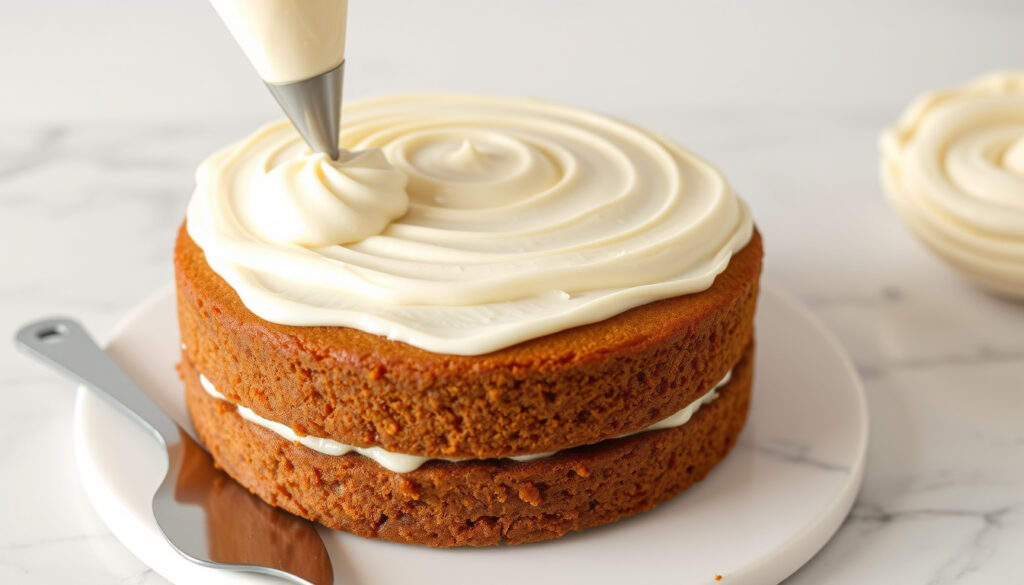
Cream Cheese Frosting Recipe – Stable Piping and Fixes
How to Make Cream Cheese Frosting: A Complete Guide
Cream cheese frosting is a versatile, tangy-sweet topping that works beautifully on everything from carrot cake to red velvet cupcakes. Whether you’re using traditional dairy cream cheese or a plant-based alternative, the basic technique remains straightforward: cream your fat, add the cheese, then incorporate powdered sugar until you reach your desired consistency. This guide walks through the core recipe, essential troubleshooting tips, and storage guidelines to help you achieve perfectly stable frosting every time.
Core Ingredients and Ratios
- 8 oz (226g) full-fat cream cheese or vegan cream cheese, room temperature
- ½ cup (113g) unsalted butter or vegan butter, room temperature
- 3-4 cups (360-480g) powdered sugar, sifted
- 1 teaspoon pure vanilla extract
- Pinch of salt (optional)
Key Insights for Success
- Always use room-temperature butter with cold or room-temperature cream cheese for the smoothest texture
- Sift powdered sugar before adding to prevent lumps and ensure a silky finish
- Add sugar gradually—one cup at a time—mixing on low speed to maintain structure
- Chill your mixing bowl for 5-10 minutes before starting for better stability
- Avoid overmixing once the cream cheese is added, as this can cause the frosting to break
- For piping projects, refrigerate the finished frosting for 30 minutes before using
- Vegan versions work best with firm plant-based cream cheeses like Tofutti or Kite Hill; avoid brands that tend to separate when whipped
| Ingredient | Amount | Notes |
|---|---|---|
| Cream cheese or vegan cream cheese | 8 oz (226g) | Full-fat preferred for stability |
| Butter or vegan butter | ½ cup (113g) | Room temperature |
| Powdered sugar | 3-4 cups (360-480g) | Sifted before use |
| Vanilla extract | 1 tsp | For flavor |
| Salt | Pinch | Optional, enhances flavor |
| Cornstarch | 1-2 tbsp | Optional thickener |
Why Is My Cream Cheese Frosting Runny and How to Fix It?
Runny cream cheese frosting is one of the most common frustrations home bakers face. The issue typically stems from ingredient temperature, overmixing, or insufficient sugar. The good news is that most problems are easily reversible with a few simple adjustments.
Common Causes of Runny Frosting
Warm ingredients are the primary culprit. When cream cheese or butter is too warm, the fats won’t hold their structure, resulting in a loose, liquidy consistency. Similarly, overbeating the mixture breaks down the emulsion, releasing liquid and creating a grainy texture. Using low-fat cream cheese, which contains more moisture and less fat, can also lead to stability issues.
Proven Fixes for Stabilizing Your Frosting
The most effective solution is refrigeration. Place your mixing bowl in the refrigerator for 15-30 minutes, then give the frosting a quick whip to restore firmness. For persistent thinness, sifted powdered sugar added gradually usually does the trick—each additional half-cup tightens the texture considerably.
If your frosting curdles during mixing, drain excess water from brands like Tofutti or Earth Balance before continuing. Cold ingredients and a chilled bowl are your best defense against breakdown.
For a no-butter approach, remember that versions made without butter lack the structural support that butter provides. These frostings will always be softer but firm up considerably after 20-30 minutes in the refrigerator, making them spreadable if not pipeable.
Achieving Pipeable Stability
To pipe rosettes, swirls, or detailed designs, the frosting must hold its shape under pressure. This requires three things: adequate powdered sugar (at least 3 cups for a standard batch), proper chilling time (minimum 30 minutes in the refrigerator), and a firm vegan cream cheese that won’t slide when applied to warm cakes.
How Long Does Cream Cheese Frosting Last?
Proper storage directly impacts both food safety and texture quality. Made correctly, cream cheese frosting keeps well but requires refrigerated storage for optimal results.
Refrigerator Storage
Homemade cream cheese frosting stays fresh in an airtight container for up to one week in the refrigerator. Before using on cakes or for piping, give it a brief stir or re-whip for 15-30 seconds to restore smoothness. The frosting will be stiff straight from the fridge, which actually makes it ideal for creating clean piped designs.
Freezer Storage
For longer-term preservation, cream cheese frosting freezes well for 2-3 months. Transfer portions to freezer-safe containers, noting that the sugar content helps prevent complete solidification. Thaw overnight in the refrigerator, then re-whip briefly before using. Some bakers prefer to freeze in small increments for quick thawing and immediate thickening when needed.
According to food safety guidelines, cream cheese frosting should not be left at room temperature for more than 2 hours. If your kitchen runs warm, keep decorating time brief and return leftovers to refrigeration promptly. For more on safe food handling practices, review FDA food safety guidelines.
Best Practices for Freshness
- Store in airtight containers to prevent absorption of odors from other refrigerator contents
- Press plastic wrap directly onto the surface before sealing to minimize air exposure
- Label containers with the preparation date for tracking freshness
- Bring to room temperature gradually before piping or spreading
- Discard any frosting that develops an off smell, unusual color, or visible mold
Can You Make Cream Cheese Frosting Without Butter?
Absolutely. Butter-free cream cheese frosting is not only possible but increasingly popular among those seeking dairy-free options or lighter alternatives. The trade-off is texture: without butter, the frosting becomes softer and more spreadable than pipeable, though refrigeration firms it up considerably.
Dairy-Free and Vegan Options
Plant-based cream cheese frosting typically relies on vegan butter or skips the fat entirely, using only cream cheese and powdered sugar. Brands like Tofutti and Kite Hill provide good stability for whipping, while others may separate or become watery. Testing different brands helps identify which works best for your intended use.
Three-Ingredient Vegan Frosting
For the simplest version, combine 16 oz of room-temperature vegan cream cheese with 3-4 cups of sifted powdered sugar and 1 teaspoon vanilla. Beat until smooth, then refrigerate for 30 minutes before spreading on your favorite cake. This version isn’t ideal for intricate piping but works beautifully for sheet cakes and casual decorating.
The Four-Ingredient Refrigerator Method
A slightly more stable dairy-free option uses softened vegan stick butter alongside cream cheese. This combination, featuring Veggie Fun Kitchen’s approach, includes ½ cup softened vegan butter, 8 oz room-temperature vegan cream cheese, 1 teaspoon vanilla, a pinch of salt, and 4-4½ cups powdered sugar. The result firms nicely when chilled, making it more versatile for different decorating needs.
Some vegan cream cheese brands, particularly those labeled as “cream cheese style” spreads, contain excess water that can cause separation during whipping. Draining these products before use or patting dry with paper towels improves outcomes significantly.
Step-by-Step Method for Perfect Results
Following a clear sequence ensures consistent results whether you’re making traditional or vegan frosting.
- Prepare your workspace: Chill your mixing bowl in the freezer for 5-10 minutes. Keep vegan cream cheese cold while allowing butter to reach room temperature.
- Cream the butter: Beat room-temperature butter alone for 30-60 seconds on medium speed until light and fluffy. This builds the air structure your frosting needs.
- Add the cream cheese: Add cold or room-temperature cream cheese and mix until smooth. Stop immediately once combined—continuing breaks the emulsion and causes runny frosting.
- Incorporate the sugar: Sift powdered sugar and add one cup at a time on low speed. Mix until each addition is fully incorporated before adding more.
- Finish with flavoring: Mix in vanilla extract and any additional flavorings until just combined.
- Chill before using: Refrigerate the finished frosting for at least 30 minutes for spreading, or longer for piping projects.
Understanding Stability and Common Issues
Mastering cream cheese frosting requires understanding the relationship between ingredients, temperature, and technique.
| Common Issue | Likely Cause | Solution |
|---|---|---|
| Runny or soupy texture | Warm ingredients, overmixed, insufficient sugar | Chill 30 mins, add more sugar, reduce mixing time |
| Curdled appearance | Water separation from vegan cream cheese | Drain excess liquid, use firmer brands |
| Grainy texture | Unsifted sugar, undissolved sugar | Always sift sugar, add gradually |
| Too stiff to spread | Too much sugar, over-chilled | Add a splash of milk, let sit briefly at room temperature |
| Frosting slides off cake | Warm cake, soft frosting, greasy layers | Chill cake layers first, use firm chilled frosting |
Why Cream Cheese Frosting Works So Well
Cream cheese frosting’s popularity stems from its remarkable versatility and balance of flavors. The tanginess of cream cheese cuts through the sweetness of powdered sugar, creating a sophisticated taste that complements both spice cakes and chocolate variations alike. This frosting bridges sweet and savory, making it appropriate for formal celebrations and casual gatherings alike.
The combination of fat and sugar creates a stable emulsion that spreads smoothly yet holds its shape when piped. Unlike buttercream, which can feel heavy or overly sweet, cream cheese frosting offers a lighter mouthfeel while maintaining the structural integrity needed for elaborate cake designs. These qualities explain why it remains the preferred topping for classic layer cakes across home kitchens and professional bakeries.
Expert Guidance and Credible Sources
“The difference between good frosting and great frosting lies in temperature control. A cold bowl, properly measured ingredients, and patience during the mixing process reward you with a frosting that pipes beautifully and tastes exceptional.”
“For food safety, remember that frostings containing dairy products must be refrigerated. Never leave cream cheese-based frostings at room temperature for extended periods, especially during warm months or in heated indoor environments.”
Professional baking resources from organizations like the USDA Food Safety division and culinary publications emphasize that temperature management and ingredient quality form the foundation of successful frosting. Home bakers who invest in quality cream cheese, sift their sugar, and respect chilling times consistently produce superior results.
Putting It All Together
Cream cheese frosting is forgiving enough for beginners yet rewarding enough for experienced bakers. Whether you prefer the classic version with butter, a dairy-free alternative, or a butter-free variation for dietary needs, the principles remain consistent: control your ingredient temperatures, add sugar gradually, and allow adequate chilling time before decorating.
Experiment with flavors by adding citrus zest, maple syrup, or spice blends. Pair your finished frosting with a classic Keto diet basics-friendly cake, or use it to elevate traditional Halal breakfast spots-inspired pastries. The possibilities expand when you understand the foundational technique.
Frequently Asked Questions
Is cream cheese frosting safe to eat raw?
Yes, the ingredients in cream cheese frosting—cream cheese, butter, and powdered sugar—are all safe to consume without cooking. However, since cream cheese is a dairy product, the frosting should be refrigerated and consumed within its shelf life.
What can I use instead of powdered sugar?
While less common, you can use a homemade powdered sugar substitute by blending regular granulated sugar with 1 tablespoon cornstarch until powdery. However, this may affect texture and sweetness levels.
Can I make cream cheese frosting ahead of time?
Yes, prepare it up to a week in advance and store in an airtight container in the refrigerator. Re-whip briefly before using, and always bring to proper consistency before piping.
How do I fix frosting that’s too sweet?
Add a small amount of cream cheese or a pinch of salt to balance sweetness. You can also incorporate a teaspoon of lemon juice or cream cheese to cut the sugar without diluting the frosting.
What’s the best way to color cream cheese frosting?
Use gel food coloring rather than liquid drops, as liquid colors can thin the frosting. Add color sparingly—it’s easier to darken than to fix overly saturated frosting.
Can I pipe roses with cream cheese frosting?
Yes, with proper chilling and adequate powdered sugar (at least 3 cups), cream cheese frosting pipes well. Refrigerate the frosting for 30-60 minutes before piping, and work quickly in cool environments.
Why does my frosting taste grainy?
Graininess typically results from undissolved sugar. Always sift powdered sugar before adding, and ensure it dissolves completely during mixing. Using warm cream cheese can help sugar dissolve more readily.
Is butter necessary for stability?
Butter adds structure and richness but isn’t strictly required. Butter-free versions exist and work well for spreading, though they require refrigeration for firming and may not hold complex piped designs as effectively.
More related posts
 How to Write a Mission and Vision: Step-by-Step & Examples
 Punjab Kings vs Delhi Capitals Timeline: IPL 2026 Records
 Post Office Horizon Scandal: What Happened & Key Figures
 Noah Jupe: Biography, Age, Movies and Sadie Sink Rumors
 Brigitte Macron as a child: early life, family and rare photos
 How Long to Cook Chicken Breast in Air Fryer: Times & Temps
 Evans Halshaw Used Cars – Inventory, Warranties and Dealers
 Cambridge Half Marathon 2025: Dates, Routes, Registration
